Preservation Principles in Chutney
What is ‘chutney’?‘Chutney’ is a relish-type condiment; its
increasing popularity reflects the inclusion of ethnic world cuisines in the
Western diet.
The term ‘chutney’ includes several different varieties of sauce-type foods,
drawn from traditional East Indian cuisine. The main ingredient may be an herb
such as cilantro or mint; a flavoring ingredient such as coconut, onion, ginger,
tamarind; or, in the most common form, chopped fruit or vegetables, simmered
with spices, onion, sugar and vinegar. Fruit-based chutneys are usually cooked,
then canned or refrigerated. Other chutneys like cilantro, onion, coconut, etc.
are usually eaten fresh, with minimal, if any, cooking.
Fruit chutneys are most commonly available and varieties include mango,
apple, apricot, cranberry, date, papaya, peach, pear, pineapple, plum, tomato
and mixed fruit, to which raisins and nuts may be added to complement the
texture. The result is a sweet-sour-spicy-hot versatile blend—an adventure for
the taste buds.
Are there special spices commonly used in fruit chutney?Chili
powder or red pepper flakes are most common, but others include ginger (usually
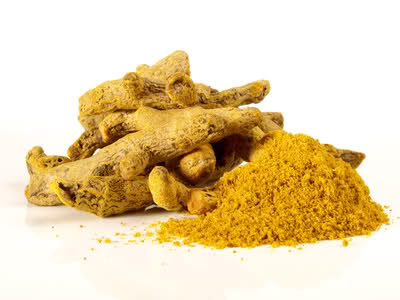
ground or chopped fresh ginger), garlic, turmeric, and curry powder (a mixture
of ground spices like cardamom, cinnamon, cloves, coriander seed, cumin,
fenugreek, mustard seed, nutmeg). Other seasonings may include salt, pepper,
sugar, tamarind paste, vinegar and lemon juice.
 |
How is chutney used?
Chutney is a
perfect accompaniment to East Indian food; however, it can also be used as a
side dish, sandwich spread, dip, an accompaniment to cheese and crackers, or as
an ingredient to enhance the flavor of everyday dishes like chicken salad or
casseroles. |
What helps preserve the chutney?Several different factors
contribute to the ‘preserved’ nature of this product:
- The acidity (low pH) of the chutney prevents growth of several spoilage and
pathogenic bacteria, molds and yeasts. This acidity is derived from the added
vinegar and the natural acids of the fruit.
- Cooking the mixture to concentrate it lowers available moisture that is
needed for microbial growth. The cooking step also kills most microorganisms
that may be present.
- Processing the filled jars in a canner uses additional heat to kill spoilage
organisms that might contaminate the product as jars are filled and to produce a
vacuum seal for later storage. If the two-piece canning lid is applied
correctly, air is driven out of the headspace while the jars are in the canner
and a vacuum seal is formed upon cooling. For most chutneys, a boiling water
canning process is adequate, but other foods may require a pressure process.
- During storage in the sealed jar, oxygen and additional microbial
contamination is kept from the product. Too much oxygen left in the jar will
cause interactions with food components that lead to quality losses (for
example, undesirable changes in color, texture, and flavor).
What problems could arise from improper preparation and processing of
chutney?If the cooking and canning steps are improperly carried out,
spoilage microorganisms could grow, leading to product loss. In a worst-case
scenario, specifically if the product is not acidified sufficiently (below pH
4.6), and not heat-processed adequately, pathogenic bacterial spores may
survive, germinate and form toxin on room temperature storage – such as spores
of the potentially fatal
Clostridium botulinum. Also, if air is not
excluded, physical and chemically-induced quality deterioration of the product
may occur.
Where can I find recommended procedures for home-canned
chutney?Our tested mango chutney recipe is available at this
website:
http://www.uga.edu/nchfp/how/can_06/mango_chutney.htmlSince
chutneys are essentially pickled condiments, all of our selections are found
with pickled products, at this website:
http://www.uga.edu/nchfp/how/chutney.html
Where can I get more information on canning and preserving?The
National Center for Home Food Preservation has several online factsheets and
resources on safe home food-preservation. This publication is a good starting
point:
http://www.uga.edu/nchfp/publications/publications_usda.html
In particular, this chapter provides general information for the novice food
preserver:
http://www.uga.edu/nchfp/publications/usda/utah_can_guide_01.pdf
or
http://www.uga.edu/nchfp/how/can_home.html
Refer to this factsheet for information on mangoes, such as how to cut and
prepare the fruit:
http://www.uga.edu/nchfp/publications/nchfp/factsheets/the_mango.html
Tips:
- When cooking with vinegar, lemon juice or acid foods, use a stainless steel
stockpot. This prevents leaching of metal into the food, and pitting of the
vessel which might occur with other metals such as aluminum and cast iron.
- Caution: Handling green mangoes may irritate the skin of some
people in the same way as poison ivy. (They belong to the same plant family.) To
avoid this reaction, wear plastic or rubber gloves while working with raw green
mango. Do not touch your face, lips or eyes after touching or cutting raw green
mangoes until all traces are washed away.
Prepared by Elaine M. D'Sa, Ph.D., Research Coordinator with the National
Center for Home Food Preservation, Department of Foods and Nutrition, College of
Family and Consumer Sciences, The University of Georgia, Athens. November 2005.
Images are courtesy of the National Center for Home Food Preservation, The
University of Georgia, Athens, GA.
This material is based upon work supported by the Cooperative State Research,
Education, and Extension Service, U.S. Department of Agriculture, under
Agreement No. 00-51110-9762.
Document Use:
Permission is granted to reproduce these materials in whole or in part for
educational purposes only (not for profit beyond the cost of reproduction)
provided the authors and the University of Georgia receive acknowledgment and
this notice is included:
Reprinted with permission of the University of
Georgia. E. D'Sa. 2005. Preservation Principles in Chutney. Athens, GA: The
University of Georgia, Cooperative Extension Service.
References to commercials products, services, and information is made with
the understanding that no discrimination is intended and no endorsement by the
University of Georgia, U.S. Department of Agriculture and supporting
organizations is implied. This information is provided for the educational
information and convenience of the reader.